×
  • News
  • Reviews
  • Guides
  • Features
  • Videos
  • News
  • Reviews
  • Guides
  • Features
  • Videos
Log in / Register
REVIEW

Chaos;Child Review

by Rob Pritchard, October 20th, 2017
  • Chaos;Child
  • Reviews
  • News & Features
  • Guides
  • Chaos;Child
  • Reviews
  • News & Features

For many years visual novels have remained exclusive to PC, as it was not believed that they had enough commercial appeal to warrant a release on other platforms. This barrier has been lifted in recent years thanks to the arrival of digital storefronts, which has allowed developers such as 5pb. to create unique experiences such as Chaos;Head, Stein’s Gate and Psycho-Pass Mandatory Happiness for consoles such as the PS Vita and PlayStation 4. Their latest visual novel, Chaos;Child is a direct sequel to Chaos;Head, retaining many of the mechanics that the original game utilised and continuing the story after the events that permanently altered reality for the citizens of the game’s representation of Tokyo.

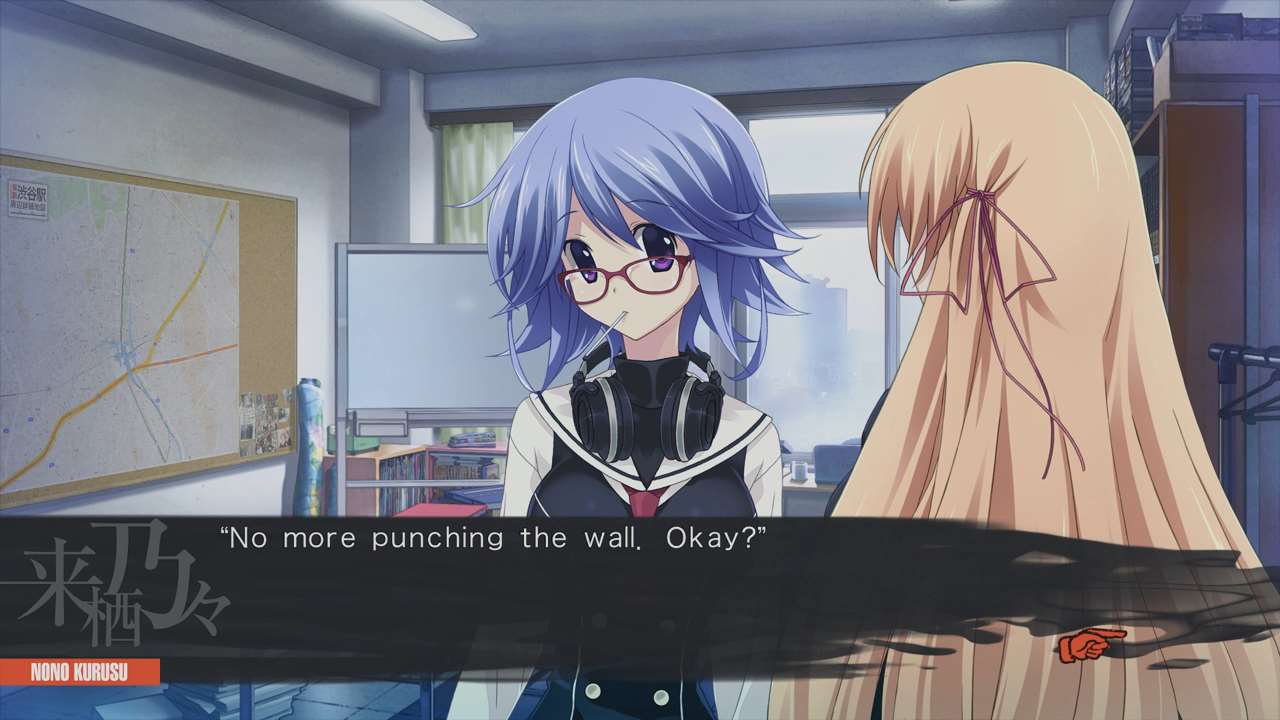
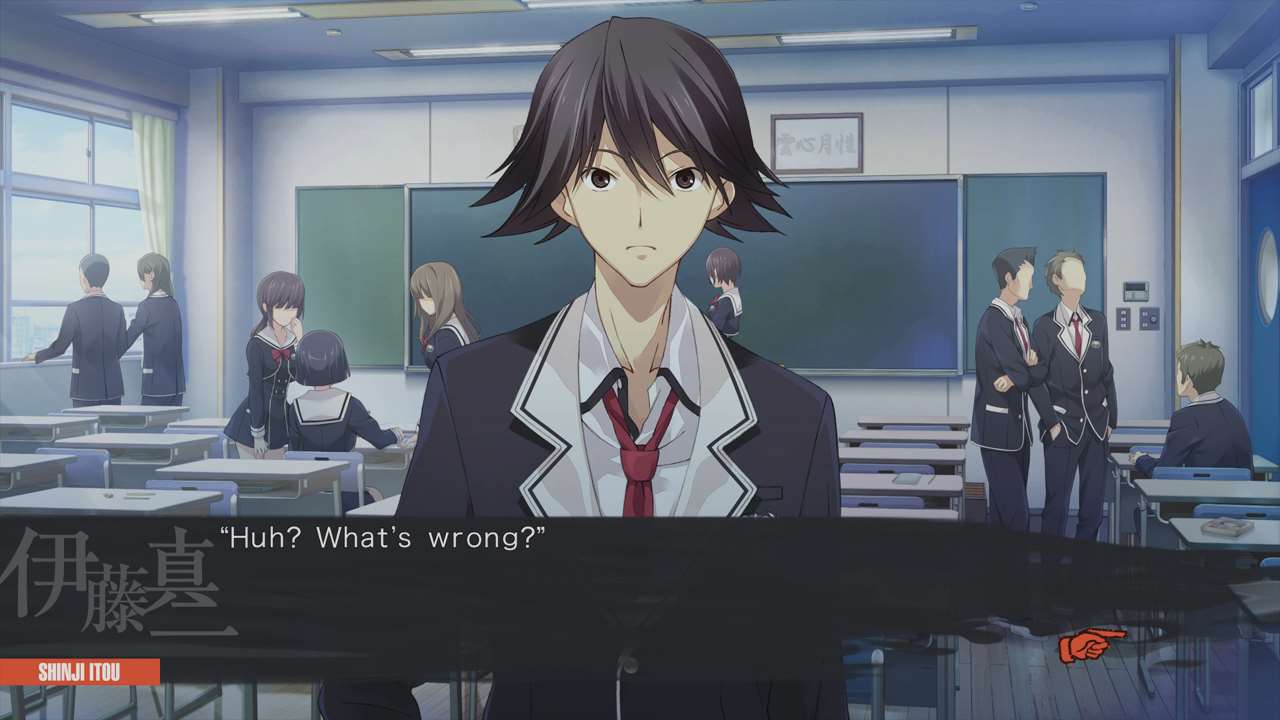
The events of Chaos;Child take place six years after the original, focusing on a teenage orphan named Takuru Miyashiro, his non biological sister Nono Kurusu and Serika Onoe, one of Takuru’s most trusted friends. After a series of bizarre murders take place, Takura and his fellow reporters at his high schools newspaper club decide to try and find the culprits. They eventually learn that the murders involve individuals with supernatural abilities, and that Takuru himself has the power to create delusions that can alter reality. The twists and turns that take place are typical of your average Japanese anime, including brutal murders, hidden conspiracies and several unique love interests. The solving of each murder feels satisfying, particularly if you used to Takuru’s delusion abilities to view each situation from a different perspective.
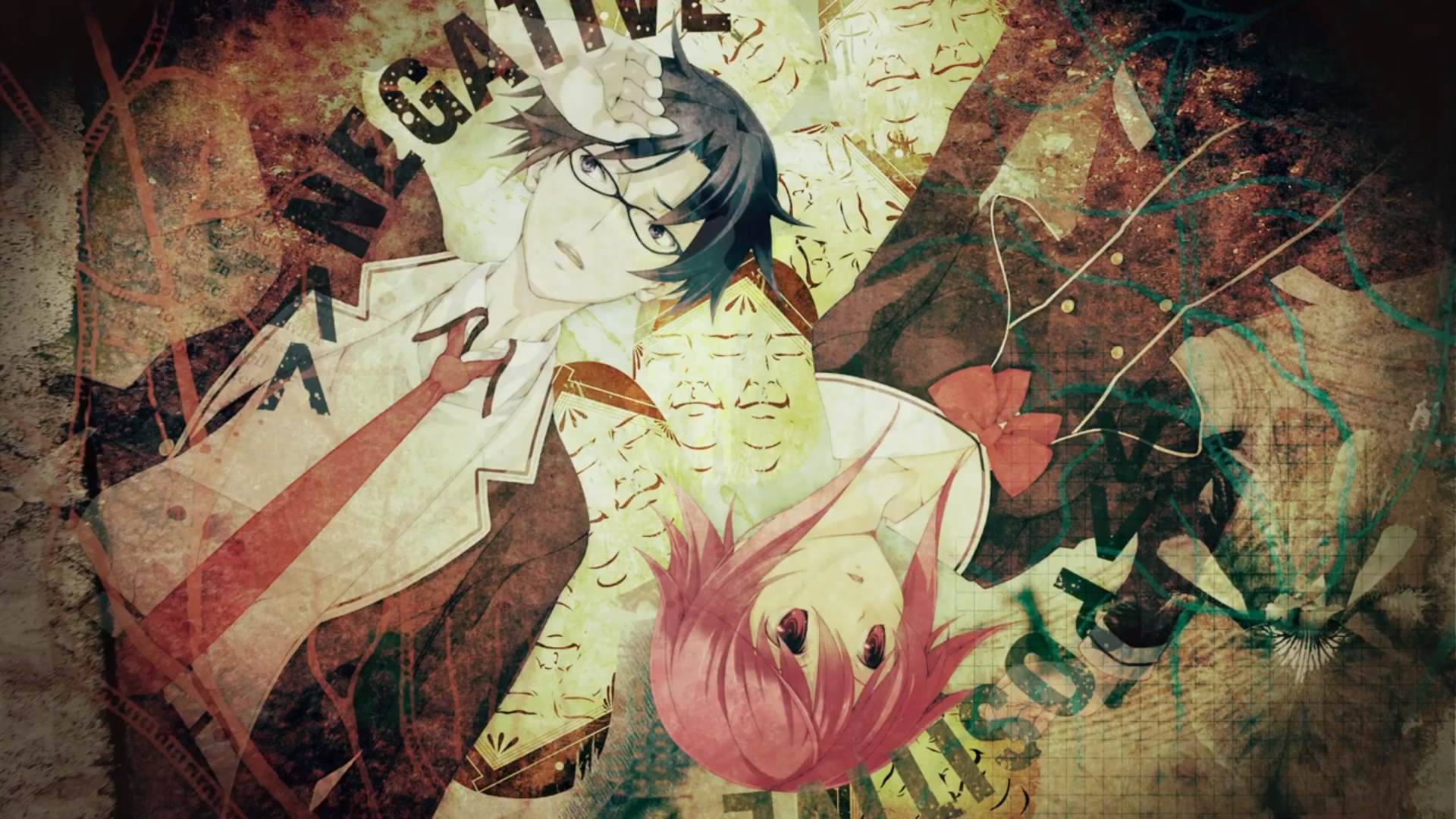
The structure of Chaos;Child is relatively standard as a visual novel. As you travel through the main game’s storyline, you may opt to make different choices to unlock additional routes, which will inevitably reach an outcome with varying amounts of different circumstances. Instead of a simple binary answer, the player is asked to choose whether Takuru experiences a positive or negative delusion when the opportunity arises. It goes without saying that the negative delusions will often contain gore and excessive amounts of violent content, whereas the positive delusions are more grounded in reality, despite containing humorous or erotic content that is often found in Japanese media.  One of the early examples includes one of Takuru’s classmates, who can either be stricken by fear, or show themselves in a situation where they are wearing a bikini or a swimsuit instead of their regular school uniform.

The delusion system works quite well in concept, although the storyline does seem to push you into making particular decisions rather than giving you a broader choice that will please gamers who are outside the target audience for the game. If you are intent on seeing everything that Chaos;Child has to offer, you will be pleased to learn that there are several story routes to be unlocked. Each of them alter the characters to a satisfyingly different degree, so you will rarely feel as if you are retreading the same path if you make drastically different choices on which delusions you choose to experience.

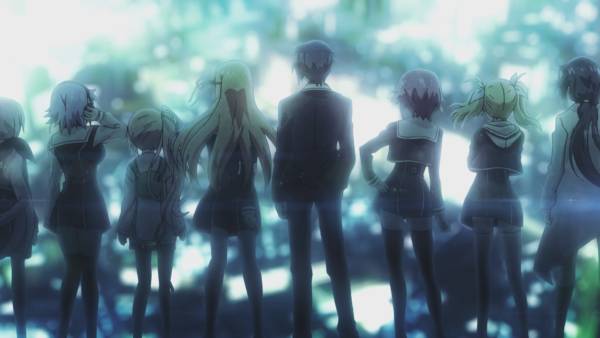
The high quality anime artwork provided by the team at p5b. makes a confident return in Chaos;Child. There are a few occasions where lower quality artwork slips through the gloss of high definition, but it appears to only be present in the background images rather than the portraits of the characters. The soundtrack mixes high intensity orchestral arrangements with traditional Japanese style music, with some of the highlights being the incidental tune that takes place on the discovery of a dead body.

Unlike the recent anime adaption, Chaos;Child only includes a Japanese voice track, but if you have watched the anime before playing the game, you will be pleased to hear that the majority of the characters are played the same voice actor. Some of the best voice work is provided by Yoshitsugu Matsuoka and Suzuko Mimori, who play Takuru and Hinae Arimura respectively.

Overall, Chaos;Child is a high quality visual novel that carries on the legacy left by its predecessor. The delusion system provides widely branching narratives that will entertain fans of the genre for several hours, and the intense soundtrack provides a perfect accompaniment to the chaotic proceedings. If you are looking for a unique game that offers a range of different choices, Chaos;Child could be the experience that you have been waiting for.

7
Chaos;Child is a solid visual novel experience, offering high quality artwork and several story paths to keep you entertained.

Filed under: Chaos;Child

Chaos;Child Gets a Release Date for Europe and North America
Powered by Magic
  • VGU
  • Platforms
  • Features
  • Reviews
  • Games

© 2025 VGU.

Insert/edit link

Enter the destination URL

Or link to existing content

    No search term specified. Showing recent items. Search or use up and down arrow keys to select an item.