×
  • News
  • Reviews
  • Guides
  • Features
  • Videos
  • News
  • Reviews
  • Guides
  • Features
  • Videos
Log in / Register
REVIEW

Project Zero: Maiden of Black Water Review

by Marc Smith, October 26th, 2015
  • Project Zero: Maiden of Black Water
  • Reviews
  • News & Features
  • Guides
  • Project Zero: Maiden of Black Water
  • Reviews
  • News & Features

Going into Project Zero: Maiden of Black Water it’s hard to not have high expectations. While often overlooked, the series comes with a strong pedigree amongst horror games, often being touted as the scariest series around. Blending the visual style of Japanese cinema with gameplay borrowed from Resident Evil (Swapping out the guns for camera lenses), the original Project Zero was quite revolutionary for the time. Followed by a string of sequels that built-upon the original’s strong formula, the franchise cemented itself a good reputation, but never saw great commercial success in Western territories. So with this new release emerging near Halloween you’d assume that Nintendo would be giving it a big push, especially as it’s a Wii-U exclusive that has a practical and logical use for the system’s unconventional controller, but we’ve seen very little promotion thus far. If you’re at all familiar with the franchise, you’ll know exactly what to expect and no doubt be excited. Random ghost encounters, eerie locales and a dark, depressing story are the key elements that make up any Project Zero game. Maiden of Black Water  is no different, it embodies all of these core values but something about it all feels a little off.

Project Zero is known for its protagonists only line of defence, the Camera Obscura. It may not seem so groundbreaking now, but when the series debuted camera-based combat was a novel concept that served to heighten suspense. Combat revolves around timing your shots in order to inflict the most damage possible to ghosts, whilst allowing for film reloads and keeping your character out of harms way. In the past, dual-use of the analogue sticks was required to manoeuvre your character and aim the lens in combat, which is still available here, but this is a Wii-U title after all so the gamepad is put to good use and integrates seamlessly into the game.

At first it seems a little strenuous to handle, but after a few battles it begins to feel quite natural. Eventually you’ll find yourself lining-up perfect portraits just as a hanging-victim lunges at your face. Before long you’ll be dealing maximum damage with a fatal frame and taking a rather well composed image of the recently deceased. It’s immersive and draws you into the game early on, making excellent use of the gamepad and giving combat a sense of urgency. Sadly though, this is coupled with almost tank-like character movements which can lead to ghosts landing a few cheap shots as you try to back your way out of a tight corner. There’s also a strange difficulty spike between ghosts; some boss enemies will have easy to spot patterns that you can exploit whereas the more run-of-the-mill ghosts have seemingly endless life-bars that can use up big supplies of your film. The heightened emphasis on gamepad centric combat does also mean that the game’s puzzles have been toned-down somewhat. Gone are the cryptic riddles and talismans, replaced with simple key-finding ventures and spot the object in the dark segments.
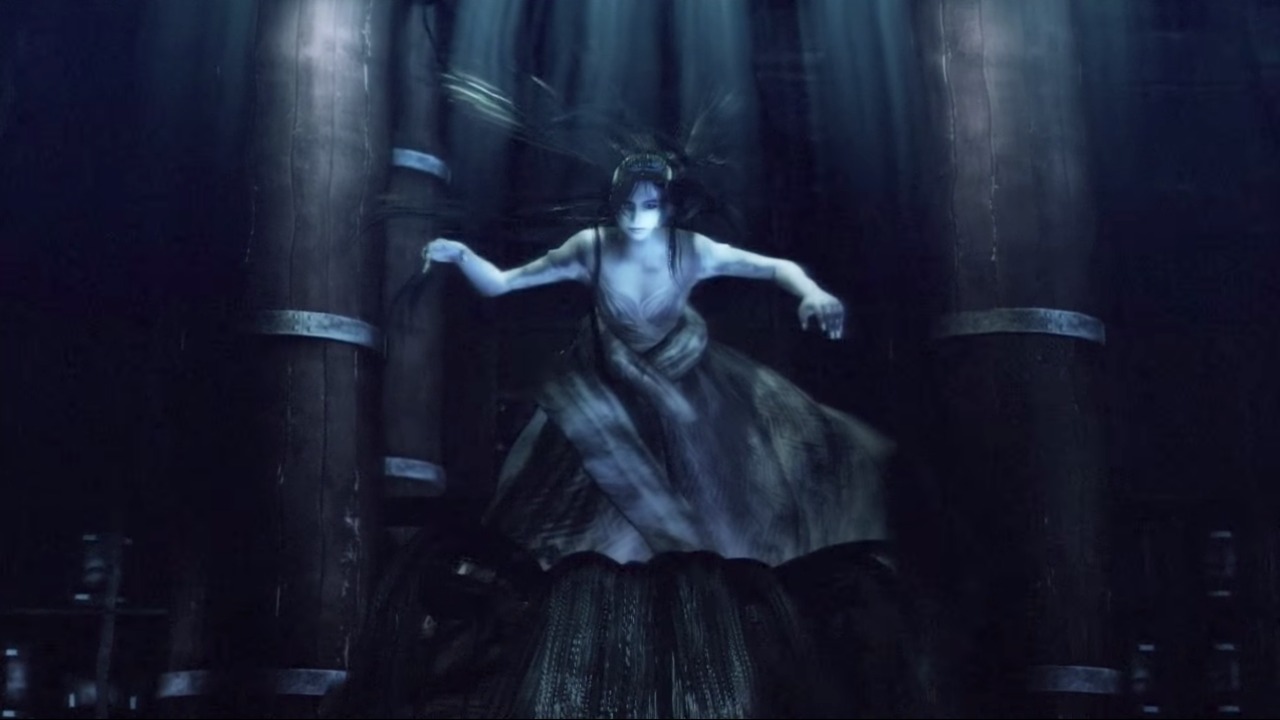
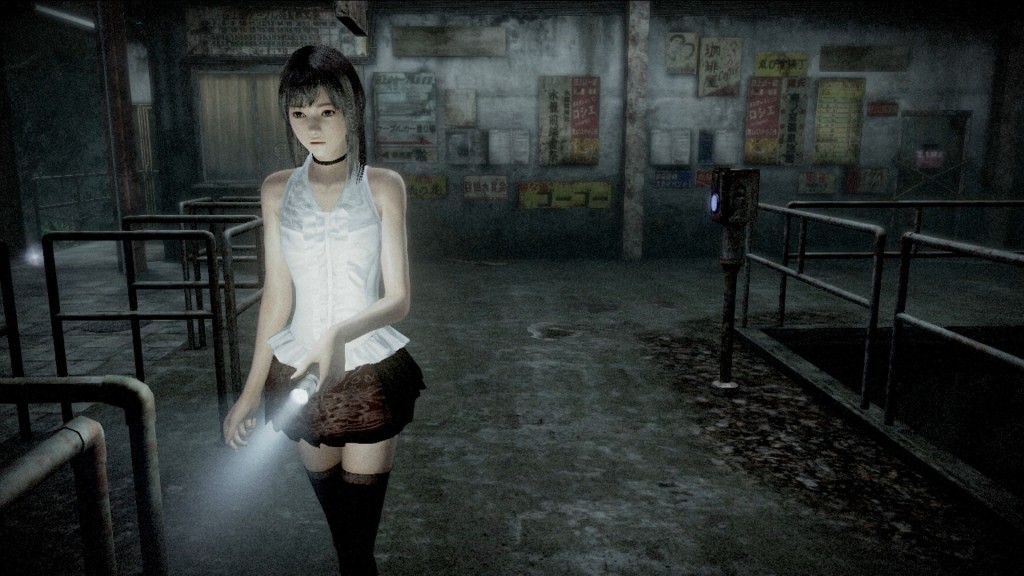
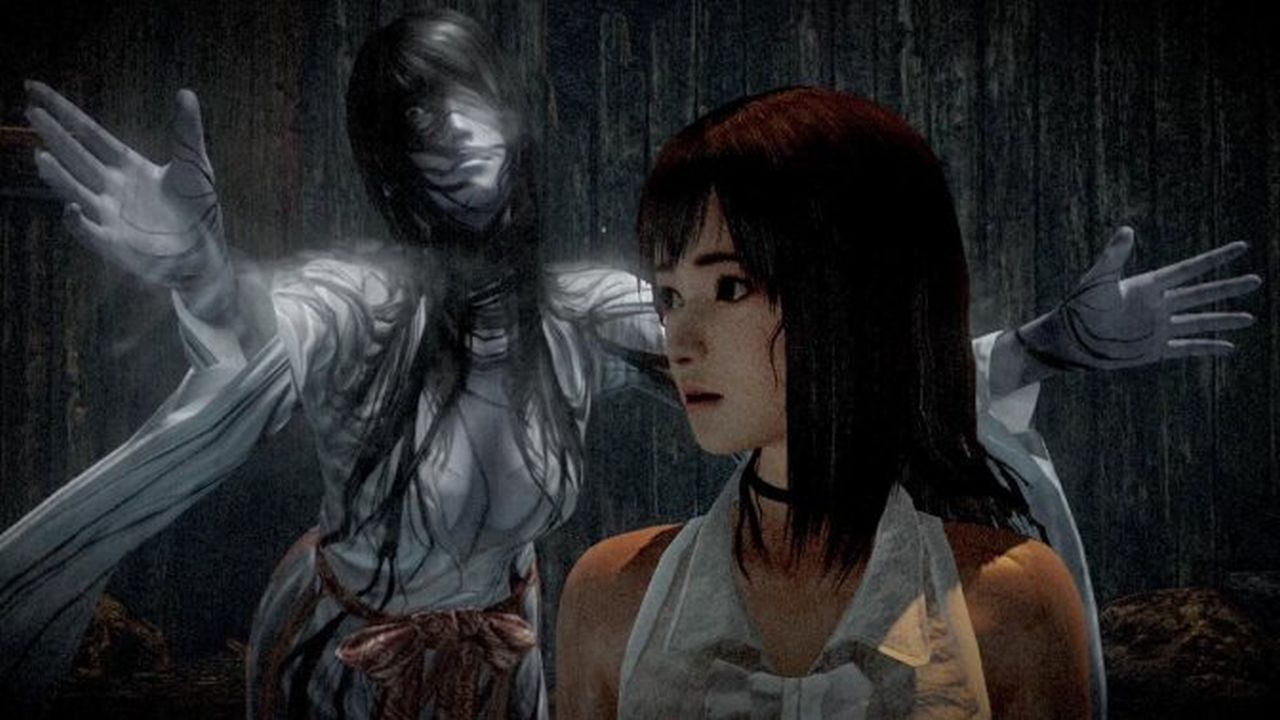
On the story front, Maiden of Black Water treads similar grounds to its predecessors. You play as three different characters who are drawn to Hikami Mountain, a once tranquil tourist spot that became notorious for its high suicide rate. A place with a dark and bloody history that doesn’t wish to be forgotten and may or may not have some links to our three protagonists. Told mostly through collectable notes and grainy flashbacks that slowly intertwine to form a bigger picture, it’s a story that intrigues from the opening chapter. I won’t delve into the details here, but to get the most out of it players will have to seek out as many notes as possible, otherwise you’ll only see the main beats and not the entire twisted tale. Thematically, it’s a very dark game, with lots of talk of suicide pacts, ritualistic murders and the titular Maiden of Black Water who stalks the player at every possible turn, speaking in riddles and warning you of your inevitable fate. Although as mentioned previously, boss encounters tend to be on the easy side, rending the titular Maiden easy to defeat and not as scary as you’d hope.

There’s also a lot of repetition in the early stages; you’ll start chapters inside the central shop/house and then an inevitable turn of events will see you to going back to Mt. Hikami. A scenario in which the characters were trapped on the mountain would be more interesting perhaps, as their constant forays back and forth to the shop somewhat kill the immersion. You’ll also send a lot of time trekking through the woods, which I’ve always found to be a sore-point in the series. The core gameplay is designed around exorcising ghosts and when taken out of a claustrophobic environment, the encounters lose their edge as you are given a wide berth to evade them. There are a lot of instances in which you’ll see the ghosts of people reliving their suicides, which is often fairly creepy, but again it’s repeated enough to the point of losing all impact.

This is where some of the problems creep in, like all Project Zero games, it’s very good at building atmosphere, but it often fails to sustain it long enough to really get under your skin. There’s an inconsistency to the scares that doesn’t quite work. When it tries the subtle approach it’s enough to make the hairs on the back of your neck stand on edge, however the overused surprise jump scares can be seen coming a mile-off. One sequence in particular stands out, in which you must crawl through a gap in the wall and all you can see on the other side are the feet of someone who has hung themselves. Once you’ve noticed them, you’re too far in to turn-back and the anticipation of what’s to come really makes your palms sweat. Alas, nothing does happen, but you’ll still find yourself nervously shuffling down that next corridor. It’s very simple, but extremely effective.

Other moments like child-sized dolls suddenly slumping over as you approach them also never fail to elicit a response, but then there are the somewhat cheap jump scares that throw the whole scenario out of whack. The sound design often saves the day though, there’s a great mixture of ambient noise and harsh screeches that blend into one nightmarish soundscape. The sound is often the most unnerving part of the game, punctuating predictable scares wherever it can for effect.

Fear is of course subjective, so this is my own experiences with the game, but looking back at the older entries to the series, it’s easy to see that what Maiden of Black Water is really missing. The distinct feelings of claustrophobia that you got from wandering around maze-like buildings where every crack in the wall was a potential gateway to certain death. Ghost attacks are much scarier when you have a limited space to escape, but here we spend a lot of time running through the open woods before entering any kind of closed space. Jumping between several characters also kills some of the tension as you don’t feel as big a connection to them in the early portions of the game, so the desire to keep them alive is nearly non-existent for a good third of the game. It’s not all bad though, the story makes a few turns that will surprise you and the tone is consistently bleak, so series veterans will be satisfied by the conclusion.

On the whole, Maiden of Black Water is a good addition to the series, but it never really reaches the heights of the glory days. It offers a mildly spooky experience that is fun in small doses, not long-haul sessions. Besides the main story there isn’t a whole lot else to do either. There are costumes to unlock, if you’re into that kind of thing, and there’s a grading system for each level for the completionists out there, so the replay factor is quite low on this one. A few control issues and uninteresting level design let it down but I’d recommend it to anyone who owns a Wii-U and is looking for something a little bit different. It’s not the bold the new chapter in a solid franchise, it merely serves a reminder of previous greatness. A bigger emphasis on claustrophobia and subtle scares could have really invigorated the series and help retain its near-perfect streak of solid horror games. A great variety of gameplay would also be welcome, survival missions or time-attacks would give the game a slightly better shelf-life. It all just feels a little watered down for the Nintendo market, with the Wii-U’s gamepad being the center-peice. The issues are there, but newcomers to the series probably won’t find them to be as prevalent or deal-breaking.

6
A disturbing story, unique gameplay and a somewhat consistent atmosphere make it worth a look for any Wii-U owner, but fans of the franchise may be let-down by the lack of genuine terror.

Powered by Magic
  • VGU
  • Platforms
  • Features
  • Reviews
  • Games

© 2025 VGU.

Insert/edit link

Enter the destination URL

Or link to existing content

    No search term specified. Showing recent items. Search or use up and down arrow keys to select an item.